The best holiday deals tend to arrive in a hurry. A countdown timer, an "only 3 left" badge, a discount that expires in twelve minutes. That pressure is exactly what makes this season so productive for anyone who wants your card details. Most of the damage doesn't come from sophisticated attacks. It comes from small shortcuts: a password reused on a shopping site, an app permission approved without reading it, a tracking link clicked in an email that looked fine at a glance. What follows is the checklist worth running through before you start filling carts.
Start with the accounts, not the carts
Your email inbox is the master key to everything else. If someone gets into it, they can reset the password on your retail accounts, your payment wallet, and your bank. So the first thirty minutes you spend on holiday prep should go there, not to a sale page.
Use a password manager to generate a unique password for every store where you keep a saved card or an address. Stop reusing one password across sites; when a single retailer leaks, attackers immediately try that same email and password combination somewhere else. Turn on two-factor authentication for your email and your main shopping accounts, and prefer an authenticator app or a hardware key over text messages. SMS codes can be intercepted or stolen through SIM-swap fraud, so treat them as a fallback rather than your best option.
While you are in there, delete saved cards from retailers you no longer use. An old account at a store you bought from once in 2019 is still a place where your card number lives.
Pick payment methods that keep your card number contained
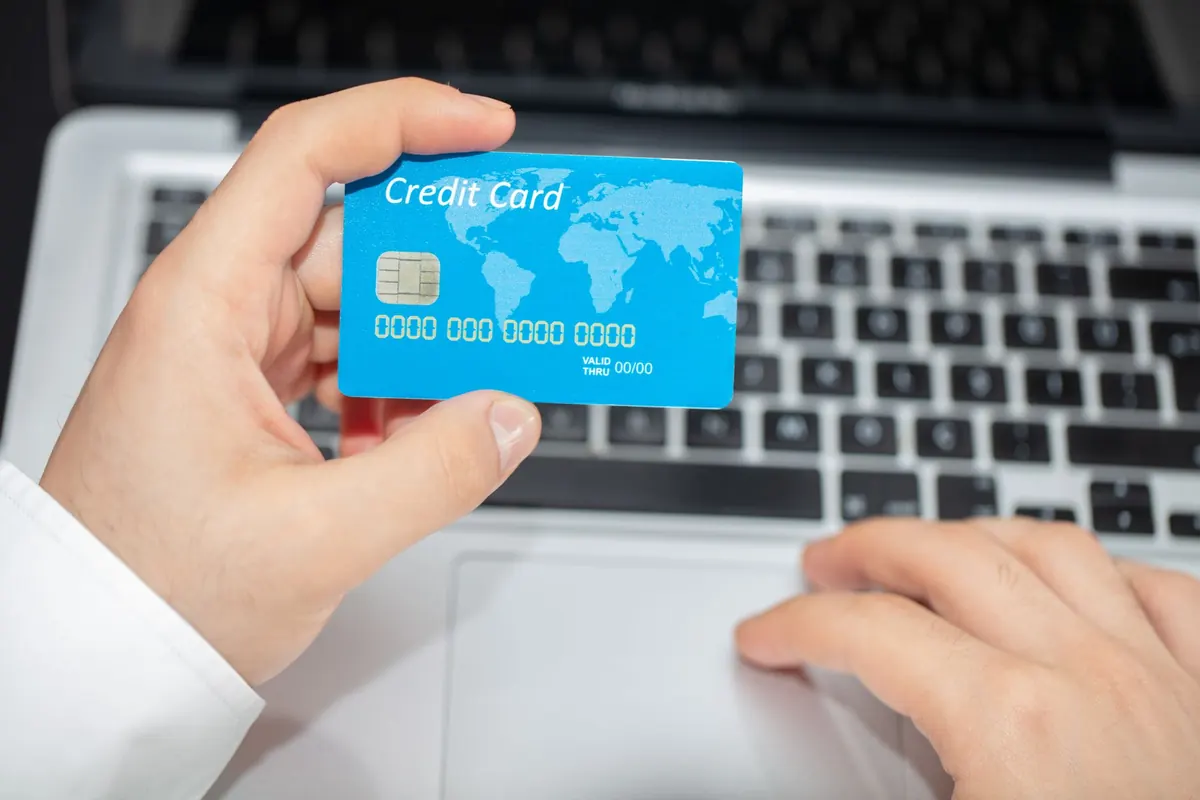
How you pay matters more than where you click. A few practical preferences:
- Use a credit card rather than a debit card for online purchases. Fraud protection rules on credit cards generally give you more room to dispute charges without your own cash being pulled out of the account while the dispute is resolved. Rules vary by country and issuer, so confirm the specifics with your bank.
- Try a virtual card number if your bank or card issuer offers one. These generate a one-time or merchant-locked number that is useless to a thief after the purchase.
- Consider a payment wallet for smaller merchants. The merchant never sees your real card number, only a token.
- Skip bank transfers, wire services, and gift cards for anything you buy online. No legitimate retailer, delivery company, or tax authority asks to be paid in gift card codes. That request is fraud, every time.
Never type your full card number, expiry date, and security code into a chat window, a text message reply, or an email, even if the person on the other end claims to be confirming your order. Real processors do not work that way.
Audit app permissions before you shop
Retail apps ask for a lot. Some of it is legitimate, some of it is not, and much of it is approved in a single tired tap during checkout.
- A shopping app that reads your contacts, your call log, or your text messages has no reason to do so. Deny those permissions or uninstall the app.
- Location access should be set to "while using" at most, and off entirely for stores you only shop online.
- Microphone and camera access for a store that sells socks is a red flag worth acting on.
- Install apps only from the official app stores, and check the publisher name rather than the icon.
The same discipline applies in your browser. Every extension you add can read the pages you visit, including checkout pages. If you installed a coupon or price-comparison extension last December and forgot about it, review it now or remove it. And if you rely on autofill, remember that it works best on a device with a real screen lock and disk encryption turned on.
Recognize the phishing that shows up in late November
Fraud email and text volume climbs with the parcel volume. The most common themes are a delivery that needs rescheduling, a payment that failed, an account that has been locked, and an order confirmation for something you never bought. All four are designed to make you click first and think later.
These signals should stop you:
- The sender's actual address does not match the brand's real domain, even if the display name looks perfect.
- The link text and the destination disagree, or the link goes through a shortened redirect you cannot inspect.
- The message creates a deadline or a threat: your package returns to sender today, your account closes in two hours.
- It asks for your password, a one-time code, or your full card number. No legitimate company needs these by email or text.
- It arrives as an unexpected attachment, especially an invoice or a "receipt".
Do not click, do not reply, and do not call the number in the message. Open a new tab, type the retailer's or courier's address yourself, and check your order status there. If something genuinely needs your attention, you will find it in your account.
Buy from sellers you can hold accountable
Marketplace listings from third-party sellers are convenient, but the seller, not the platform, is often the one you have to chase if something goes wrong. Before buying from an unfamiliar storefront, look for a real company name, a physical address, a working return policy, and a contact method other than a web form. Prices far below everyone else on an item that is sold out elsewhere are usually a sign that the product does not exist or will never ship.
Check the domain carefully. Fake shops often live on addresses that differ from the real brand by a hyphen, a doubled letter, or a swapped domain ending. When in doubt, buy from the brand directly or from a retailer whose return process you have used before.
Keep records and watch your statements
Save order confirmations and take a screenshot of the confirmation page, including the order number. That record is what you will need if a parcel never arrives or a charge looks wrong. Then check your card and bank activity weekly through January rather than waiting for the statement. Small test charges, often a dollar or two, are how thieves confirm a card is live before they use it properly.
Report anything unfamiliar immediately, and do it in writing through your bank's app or website so there is a timestamped record. Dispute windows and protections differ between card issuers and countries, and the sooner you flag a charge, the more options you have. For anything involving significant money or a disputed transaction you cannot resolve, talk to your bank or a qualified financial professional rather than relying on general advice.
A five-minute routine before you hit "Buy"
Run this once per shopping session and once more before you enter payment details:
- Is the site's address spelled exactly right, with a padlock and no browser warnings?
- Am I paying with a card or wallet I am willing to dispute, rather than a debit card tied to my rent money?
- Is this purchase coming from a link in an email or text, or did I navigate here myself?
- Have I reviewed what this app or extension can access on my device?
- Am I saving the confirmation, and will I check my statement next week?
None of this takes long, and none of it requires technical skill. It just requires slowing down for the two minutes that matter most: the ones between seeing a deal and typing in a card number.
Photo: Ercan Şenkaya / Pexels